
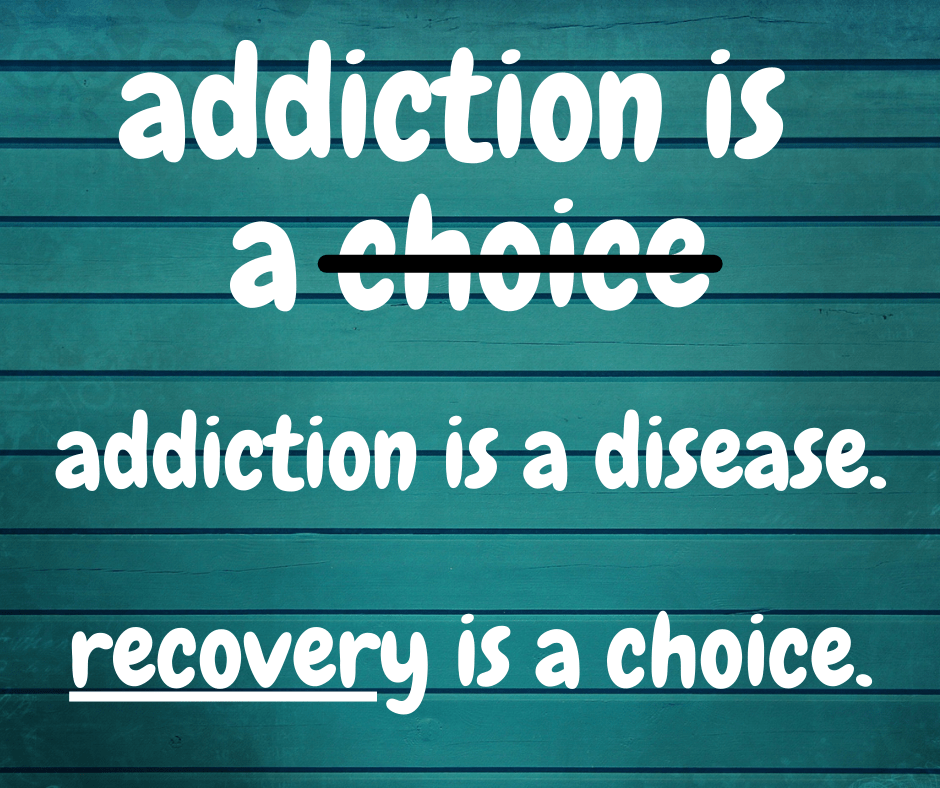
I have spent a lot of time in group therapy discussing this topic with my clients. Writing the sentence “addiction is a choice” on the board is an example of an intervention to start group. It evokes strong feelings in the room.
There is a lot to unpack about the word addiction. The first place I go – are we talking about a physical dependence, a psychological dependence or both. Not all substances create a physical dependence but it can feel like it.
When I talk about physical dependence, I mean the person will need medical intervention to safely withdraw from it – because otherwise they could die. Withdrawal from substances like alcohol and benzos (think xanax and klonopin) can lead to seizures if they are taken daily for a long period of time. Opioids/opiates (think vicodin, oxy’s and heroin/fentanyl) cause very unpleasant physical withdrawal symptoms that are difficult to tolerate without medical assistance if you want to successfully detox from them.
I haven’t even mentioned the psychological and emotional withdrawal. When you see the mental and emotionals symptoms that show up during detox/withdrawal and post-acute withdrawal (the weeks and months after the acute phase), one begins to understand why the person was taking the substance in the first place.
Also with education, it begins to make sense why the person selected a particular substance. For instance, a highly anxious person is not going to choose cocaine – it will just make the anxiety worse. And a person who struggles with depression, well their use of crystal meth or abusing adderall makes perfect sense.
It won’t always be 100% logical. Alcohol is a depressant. Plenty of people will use it as their drug of choice. However it can relieve anxiety that is coupled with depression and it will provide relief at the beginning of the binge/bender, but eventually it turns dark. Chasing that relief is the hamster wheel of addiction – I am always seeking to experience that first drink/use – that relief, that feeling of ease and comfort.
I think the hardest thing for people to learn about addiction and recovery is there is a moment when the person has a choice, before they pick up the drink or the substance. Once that happens, the choice is removed.
In Alcoholics Anonymous they teach the phenomenon of craving – that first drink leads to another due to how it is processed by the body and the mind in those afflicted with the disease. The only treatment is abstinence.
Convincing people of the phenomenon of craving is a challenge, both inside and outside of recovery. Many times, people believe if enough time passes, they can keep it under control, it will be different this time because I “know” what the problem is. Their loved ones will believe that some day the addict or alcoholic will be able to use “normally”.
There is no better explanation than from page 30 of the Big Book of Alcoholics Anonymous –
“The idea that somehow, someday he will control and enjoy his drinking is the great obsession of every abnormal drinker. The persistence of this illusion is astonishing. Many pursue it into the gates of insanity or death…We learned that we had to fully concede to our innermost selves that we were alcoholics. This is the first step in recovery. The delusion that we are like other people, or presently may be, has to be smashed.”
 Authentic Path Psychotherapy
Leave a comment